
Planning reform in focus: Highlights from our draft NPPF roundtable with hgh Consulting
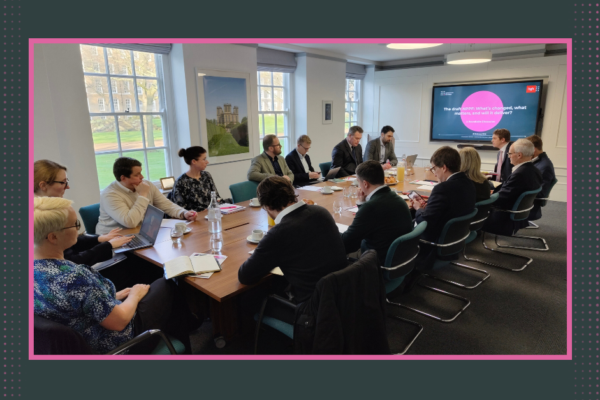
Last week Cornerstone Barristers and hgh Consulting held a roundtable discussion on the decision-making policies within the draft National Planning Policy Framework (“NPPF”). Delegates were drawn from across the development industry and a lively debate was had on how the new policies are likely to operate; the opportunities and risks they may throw up; and how the policies could be improved upon.
All agreed that the draft NPPF represents the most radical shake-up in national planning policy in a generation. And that there is, perhaps inevitably, much room for debate about the proper interpretation and application of the policies.
Key insights included:
- A new species of presumption – a fundamental change: from a process-based presumption – engaged where there are deficiencies in the local plan making process – to a location-based presumption – engaged for all forms of development within settlements (S4), and certain forms of development outside of settlements (S5)
- The new presumption: likely battlegrounds – Is it a settlement (hamlet vs village)? Is the site within the settlement (settlement boundaries appear not to be definitive)? Whether the proposal falls within the S5 “acceptable in principle” categories (which the Govt says are broad, but in some cases are highly prescriptive)? What is a reasonable walking distance (and why only walking? What about cycling?) Is there “evidenced unmet need” (and, for housing, is this restricted to demonstrating a lack of 5yrHLS and <75%HDT?)
- The reverse presumption (S5(4)) – a new restriction on promoting development outside of settlements which are not “acceptable in principle”. Will this potentially stymie otherwise acceptable development?
- Minimum densities (L3(4)) – how are they to be calculated? Should they apply in all circumstances (e.g. conservation areas; sensitive landscapes etc)? And will they prevent innovative schemes?
- Heritage policies – there appears to be a disconnect between the Govt’s stated intention – to take “a more positive approach to the use of heritage assets” – and the current drafting of the heritage policies. Is the bar for “substantial harm” being lowered? And does the requirement to “minimise or avoid” harm to significance open up arguments about alternatives sites or schemes?
- Landscape protection – the concept of “valued landscapes” is no more. But will “locally designated sites”, identified through the plan-making process, take their place?
It was a valuable and timely event with only just over a week now to go until the deadline for consultation responses (11th March 2026).